
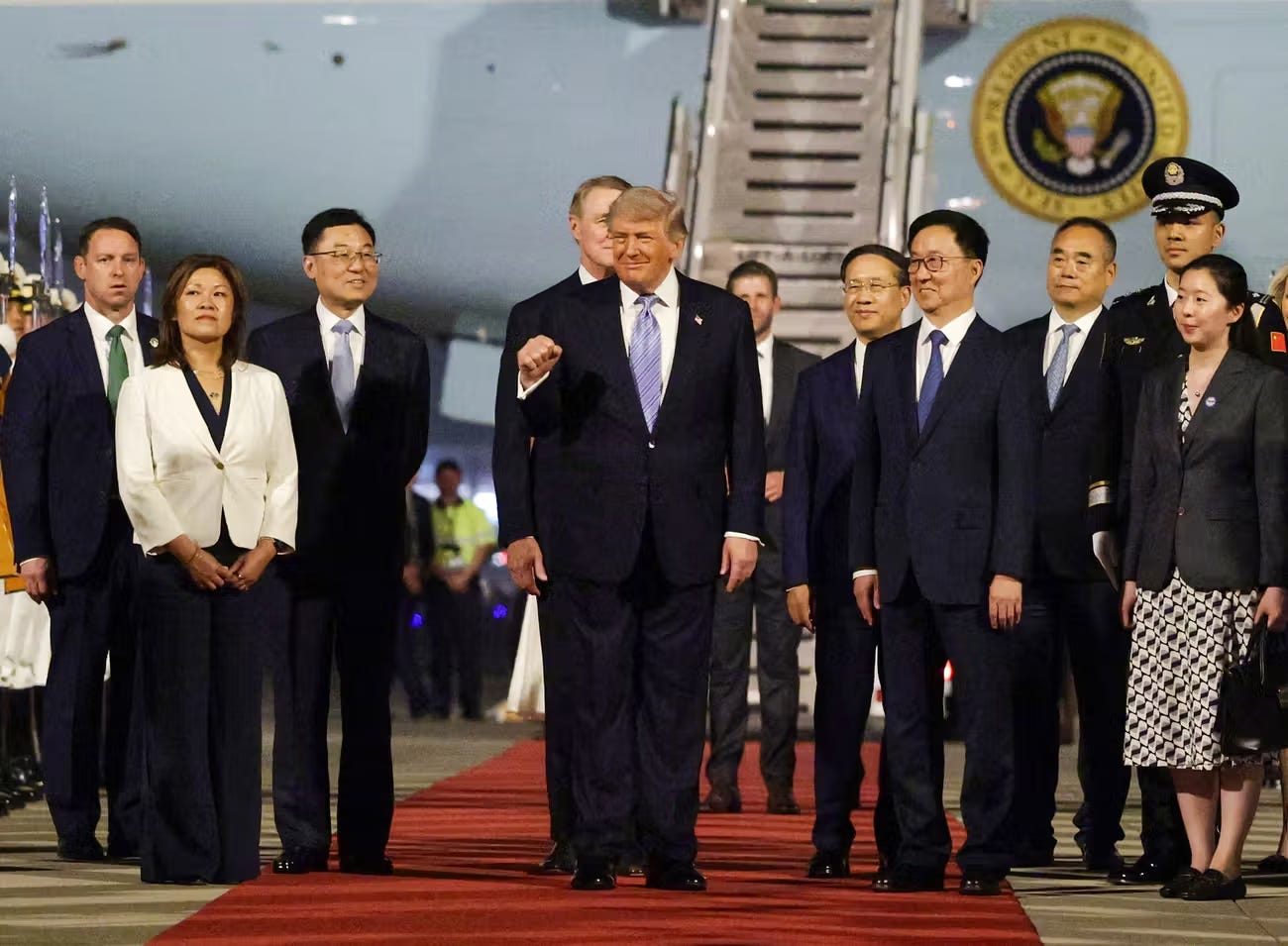
Donald Trump’s visit to China with a large group of business leaders was designed to look like a breakthrough in trade diplomacy, but its deeper meaning was more limited and more strategic. The trip was less about a single deal and more about testing how far China would go in easing pressure on U.S. companies while using the presence of top executives to amplify America’s economic leverage.
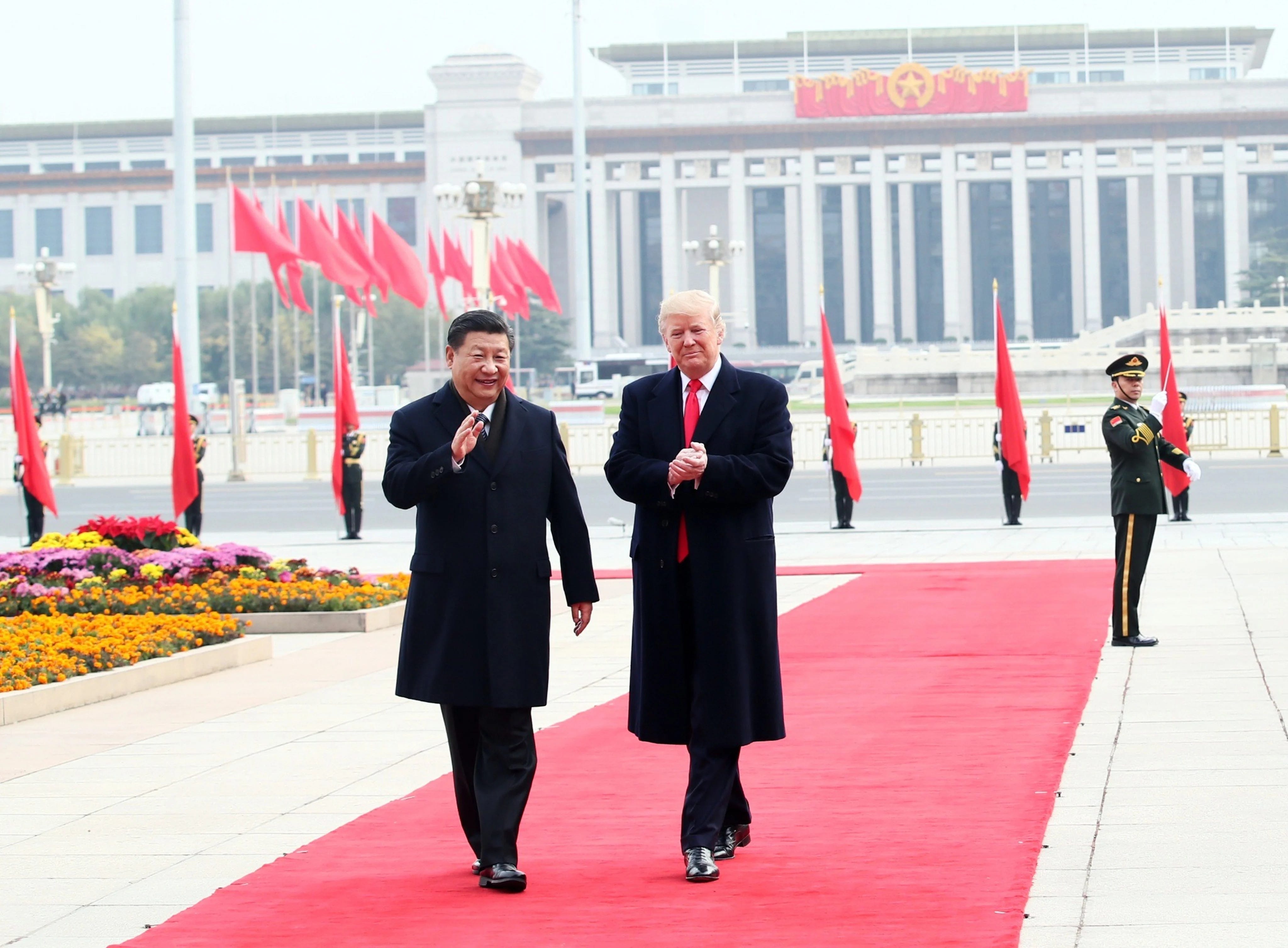
Many new channels and self-styled experts tried to frame this visit as a win for China and as evidence that Trump had been weakened, while some even claimed the trip had effectively elevated Xi as the bigger leader. The reality is more complicated: the visit was not a clear surrender or a clean victory, but a tactical meeting shaped by bargaining, optics, and unresolved strategic dependence.
Trump’s trip with business leaders was widely interpreted through a political lens because it fit an easy narrative. For critics, the presence of corporate executives looked like proof that Washington was chasing access and trying to soften tensions. For supporters, the same scene suggested that Trump was using American business power to force China into a more cooperative posture. Both readings captured part of the picture, but neither fully explained it.
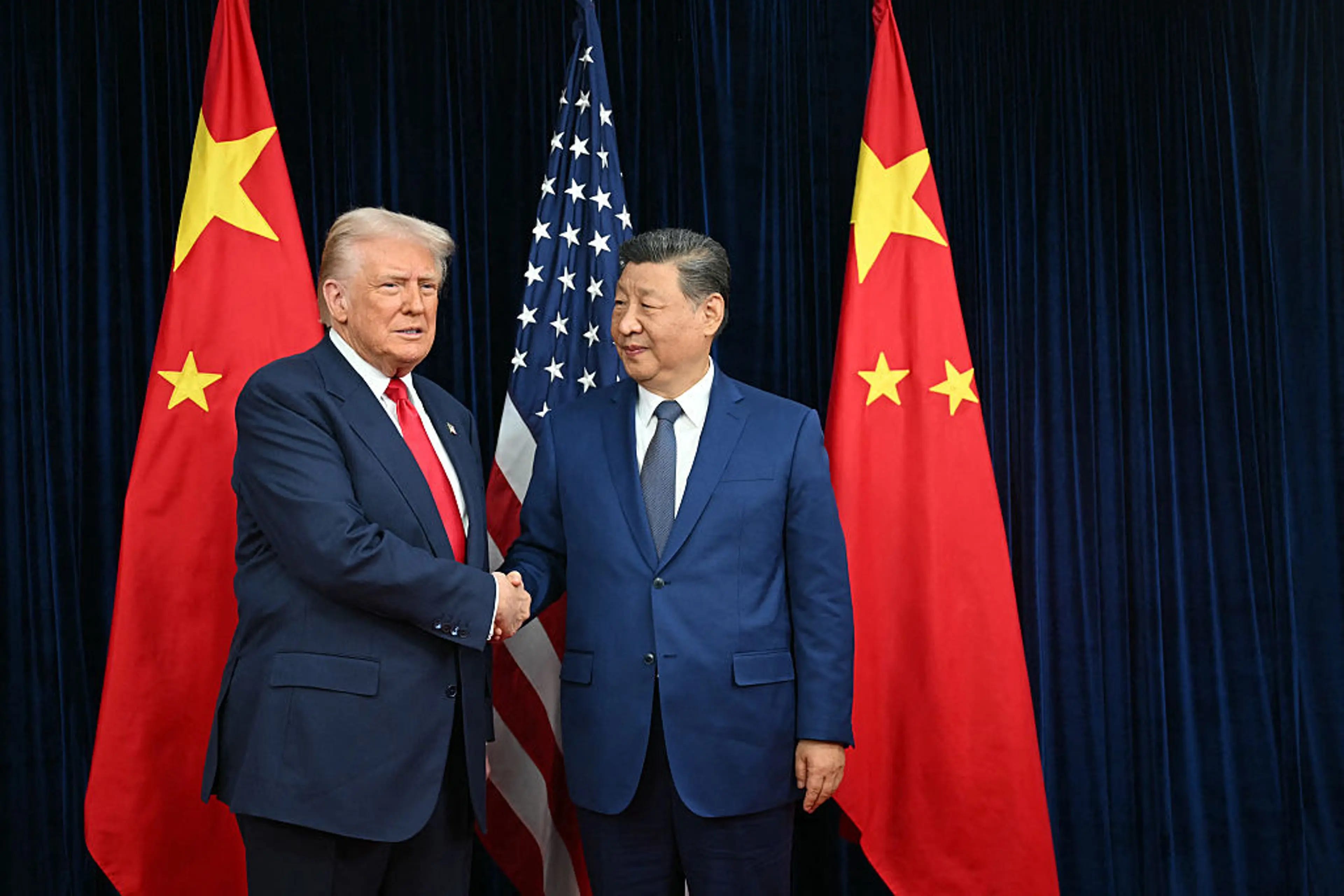
At the surface, the optics were strong. Trump could present himself as a dealmaker surrounded by major corporate names, while Beijing could signal that it remained open to business despite tense geopolitical relations. That combination made the visit politically useful for both sides. But analytically, the real question is not whether the meeting produced headlines; it is whether it changed the balance of power in any durable way. On that measure, the answer is much less dramatic.
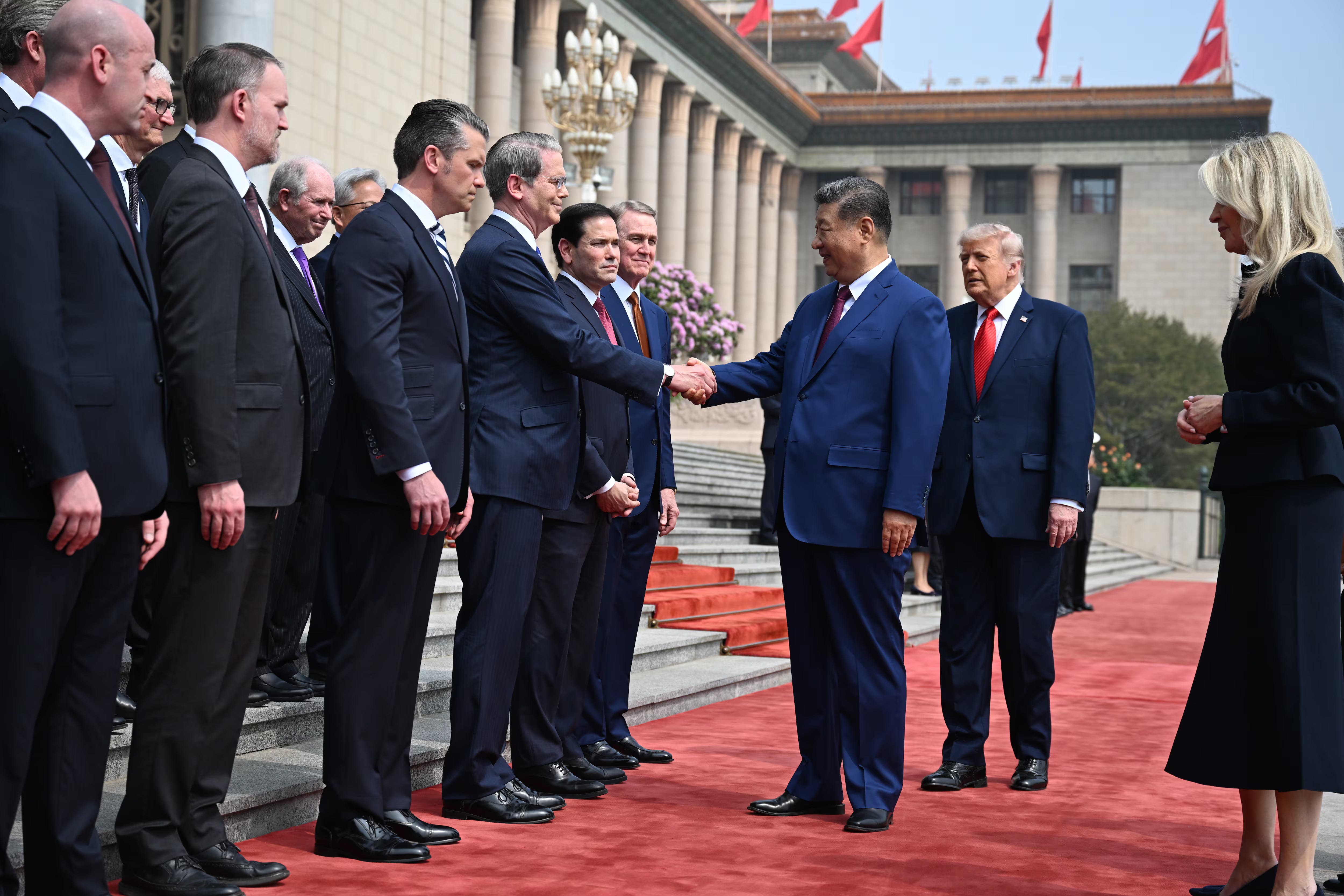
The central issue was rare earth minerals. These are not exotic in the abstract, but they are strategically critical because they are embedded in electric vehicles, smartphones, wind turbines, advanced weapons, and semiconductor equipment. China’s dominance is not just about digging up ores; it is about controlling the refining, separation, and magnet-making stages that turn raw material into usable industrial inputs. That means Beijing holds leverage at the point where global supply chains are most vulnerable.
This is why rare earths matter more than a routine trade dispute. They give China a form of economic pressure that is immediate, hard to replace, and deeply connected to both civilian and defense manufacturing. If export restrictions tighten, the impact is not theoretical. It can show up in delays, higher costs, production uncertainty, and strategic anxiety across sectors that Washington considers essential.
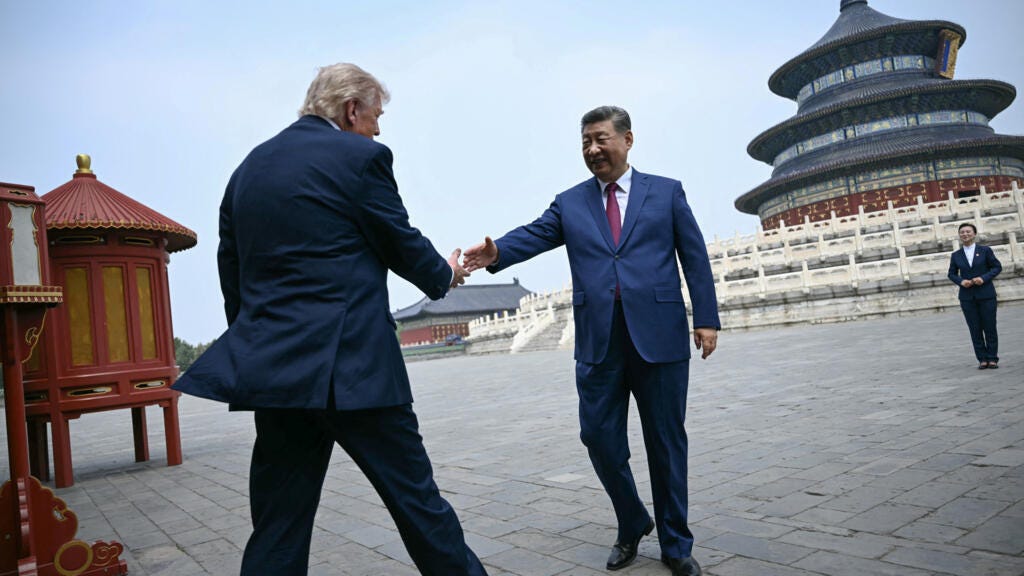
Trump’s visit, then, should be understood as an attempt to narrow that exposure without admitting how dependent the United States still is. Bringing business leaders along served two purposes. First, it let Trump frame the trip as pro-growth and pro-investment rather than purely diplomatic. Second, it allowed major U.S. firms to press for access, stability, and predictability in a market that remains too large to ignore. In other words, the delegation was part lobbying mission, part theater, and part signal to Beijing that American companies still matter in the relationship.
But the structural problem remained untouched. Rare earth supply chains cannot be rebuilt overnight. New mines take years, processing capacity takes even longer, and downstream magnet production is even harder to shift. That means any U.S. effort to reduce reliance on China is a long game, not a summit result. The trip may have produced better atmosphere and continued dialogue, but it did not erase the dependency that gives China so much bargaining power.
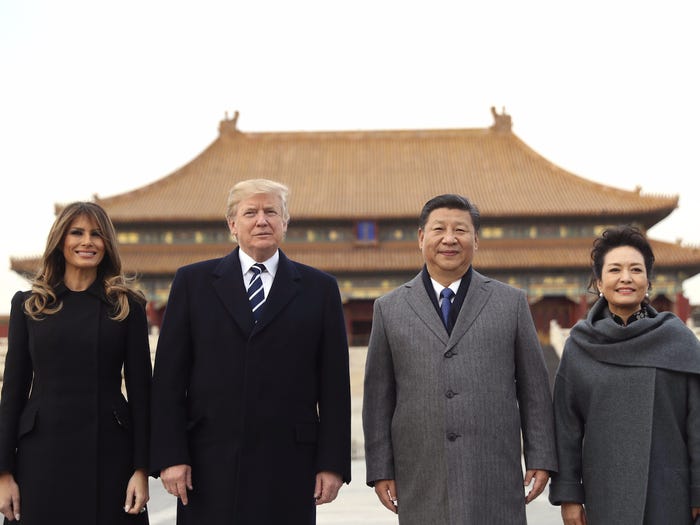
So the visit should not be read as Trump being “outplayed,” nor as Xi receiving some automatic status upgrade. It was a contest over leverage, not a coronation. China knows it holds a structural advantage in rare earth processing, but the United States still has significant market power, technology influence, and alliance options. The result was a temporary political narrative war, not a decisive strategic outcome.
The deeper reality is that both sides were trying to shape perception. China wanted to project confidence and continuity. Trump wanted to project dealmaking strength. Commentators then layered their own interpretations on top, often turning a complex negotiation into a simple win-lose story. But the facts are less dramatic: rare earth dependence remains unresolved, and that unresolved dependence is what really matters
.
The broader implication is that future U.S.-China talks will likely keep circling the same dilemma. Washington wants diversification and resilience; Beijing wants strategic advantage and economic influence; companies want access and stability. Trump’s China trip illustrated the tension between those goals. It was a visible political event, but the real story was the invisible one: the world’s most important industrial supply chains are still far more concentrated than policymakers like to admit.