
The world changed dramatically after the Second World War. The scale of destruction, human loss, and moral collapse forced global leaders to confront a hard truth. If power continued to rule unchecked, humanity would repeat the same cycles of conquest, colonisation, and mass suffering. Before the Second World War, colonisation was widely accepted. Powerful nations directly ruled weaker ones or installed puppet leaders to serve their interests. In the process, cultures were erased, religions were suppressed, languages were sidelined, and entire histories were rewritten to suit the rulers. Control mattered more than dignity, and domination was justified as civilisation
.
The horrors of the Second World War created a global awakening. Nations collectively agreed that the old world order could not continue. New rules were established to protect sovereignty and human rights. Institutions like the United Nations were formed to prevent wars, promote diplomacy, and give smaller nations a voice. International law aimed to replace brute force with dialogue. The goal was clear. Never again should one nation openly dominate another. Never again should power alone decide who deserves freedom.
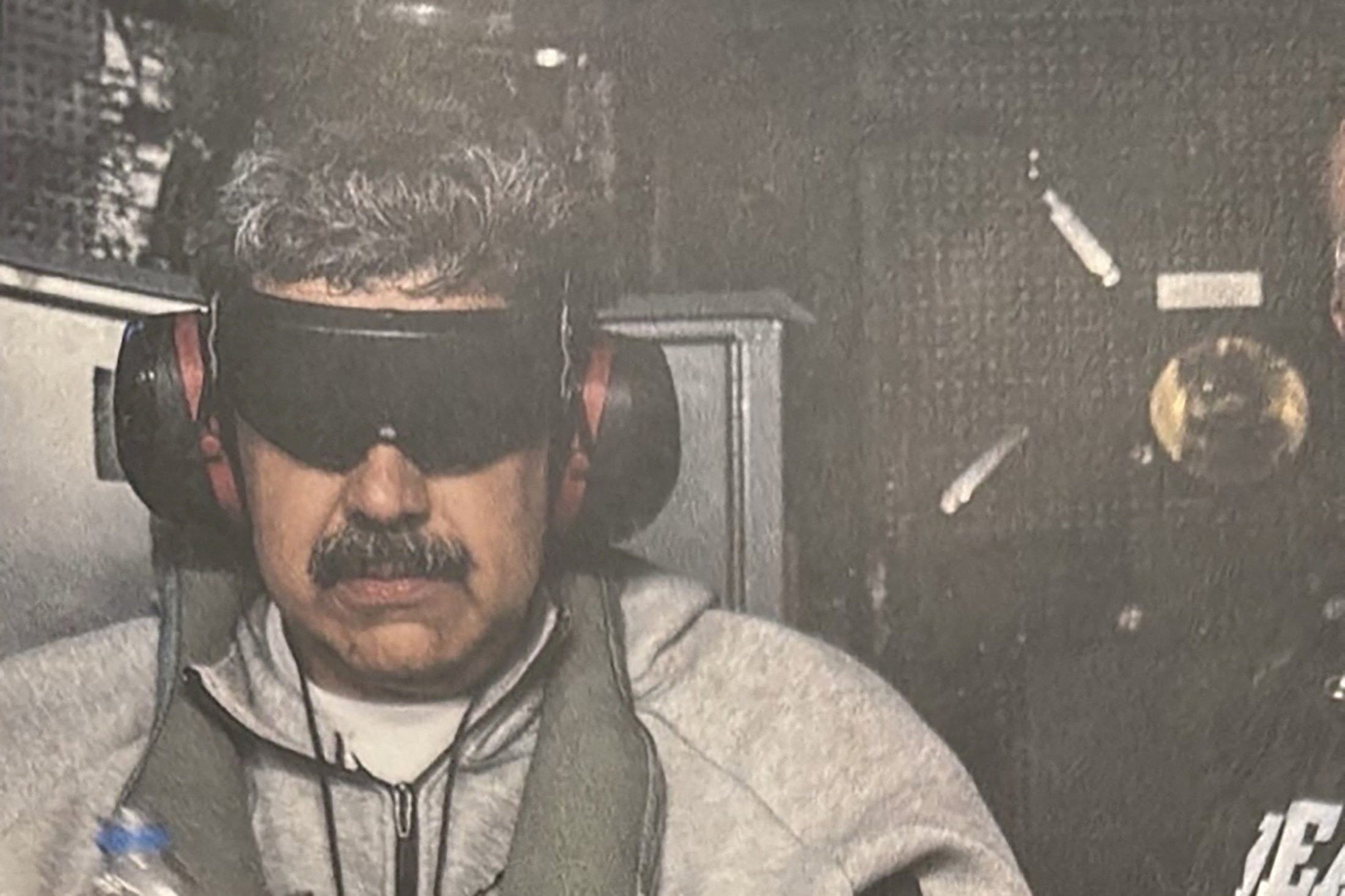
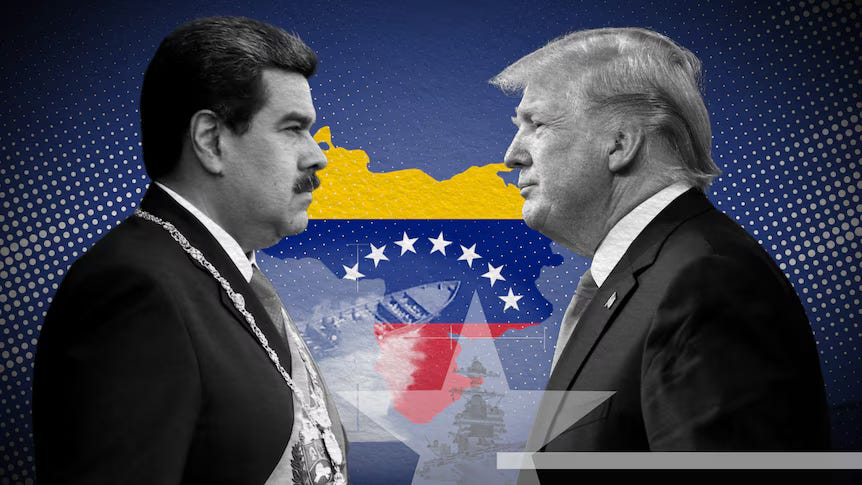
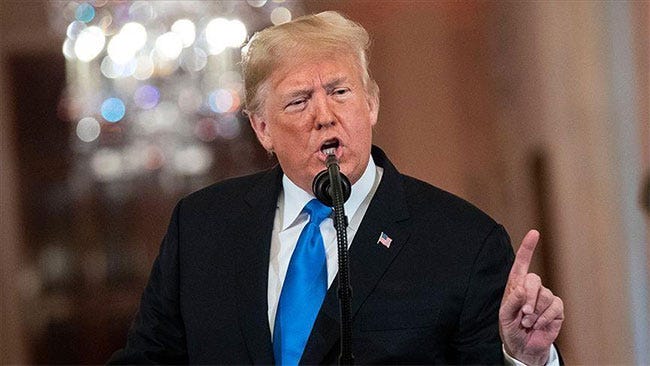
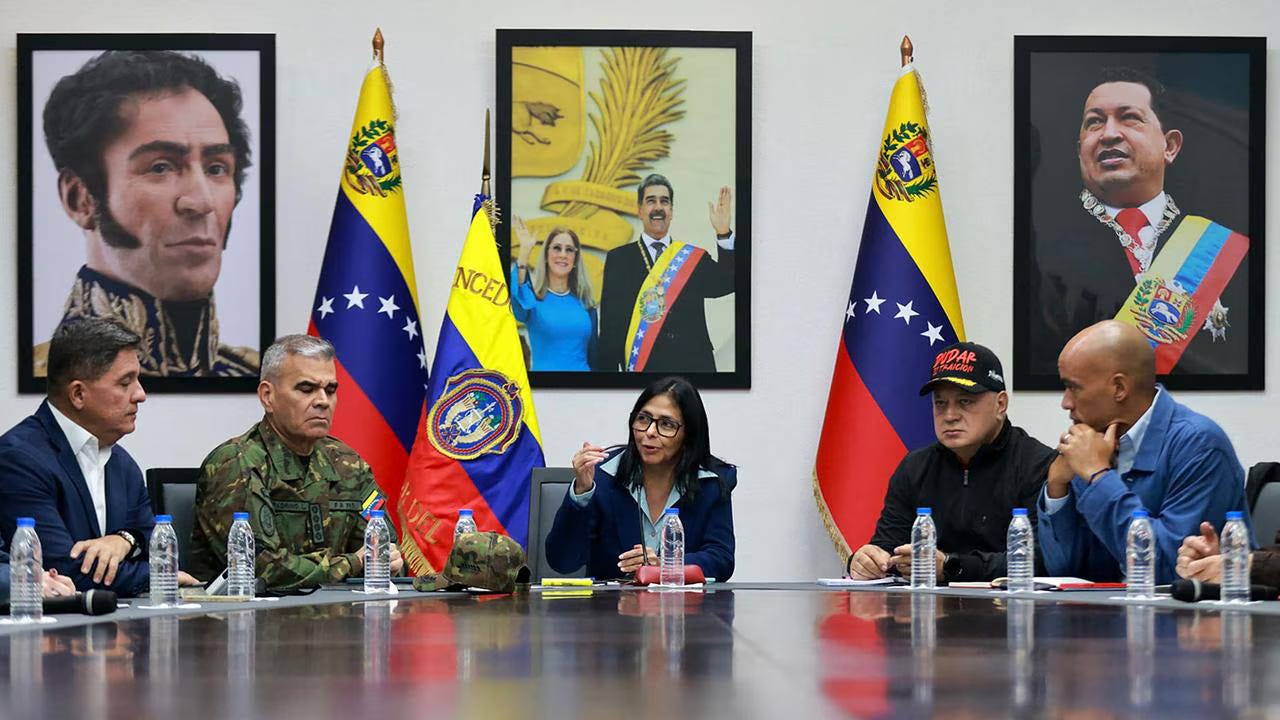
Yet less than a hundred years later, this system appears to be cracking. What we are witnessing today feels disturbingly familiar. The situation around Venezuela and the heavy influence of the United States is seen by many as a modern example of interference driven by power and strategic interests. Rising tensions around Greenland and other regions further increase global anxiety. These events raise an uncomfortable question. Why do people blinded by power and greed fail to learn from history and seem willing to repeat the same mistakes?
Ironically, the world today is far more informed than ever before. Information travels instantly, yet this same connectivity has made societies more vulnerable. Misinformation spreads faster than truth, fear travels faster than reason, and public opinion is easily manipulated.
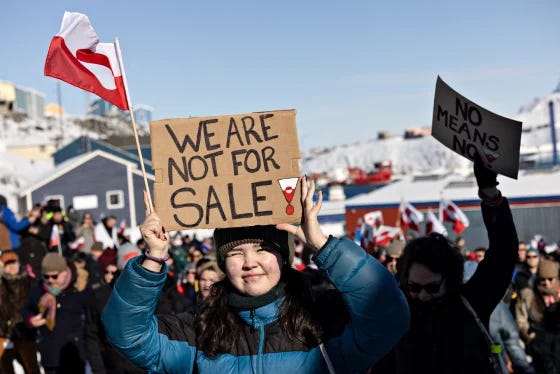
Are we slowly moving back toward an eighteenth and nineteenth century world where empires competed, borders shifted through force, and politics revolved around conquest and control? That world was defined by inequality, racial hierarchies, and endless wars disguised as national pride.
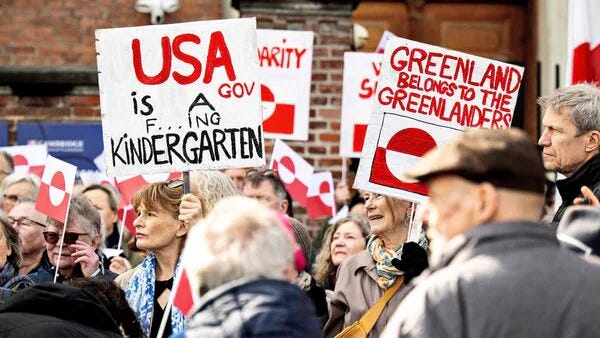
In conclusion, solutions are often discussed, but rarely implemented sincerely. Media control, religious divisions, and aggressive nationalism continue to fracture societies, even in our global and multicultural age. Still, hope remains. Real change has never come from institutions alone. It comes from people. From collective awareness, moral courage, and the refusal to accept injustice as normal. History does not repeat itself by accident. It repeats when people allow it to
.