
What Allegations of Transnational Targeting Mean for India reports emerging from the United States about federal investigations into alleged criminal networks involving Indian nationals some purportedly linked to organized gangs and individuals already imprisoned in India have raised deeply troubling questions. If substantiated, these allegations point not merely to isolated criminality, but to a far more serious issue: the possibility of transnational targeting of Sikh individuals and leadership.
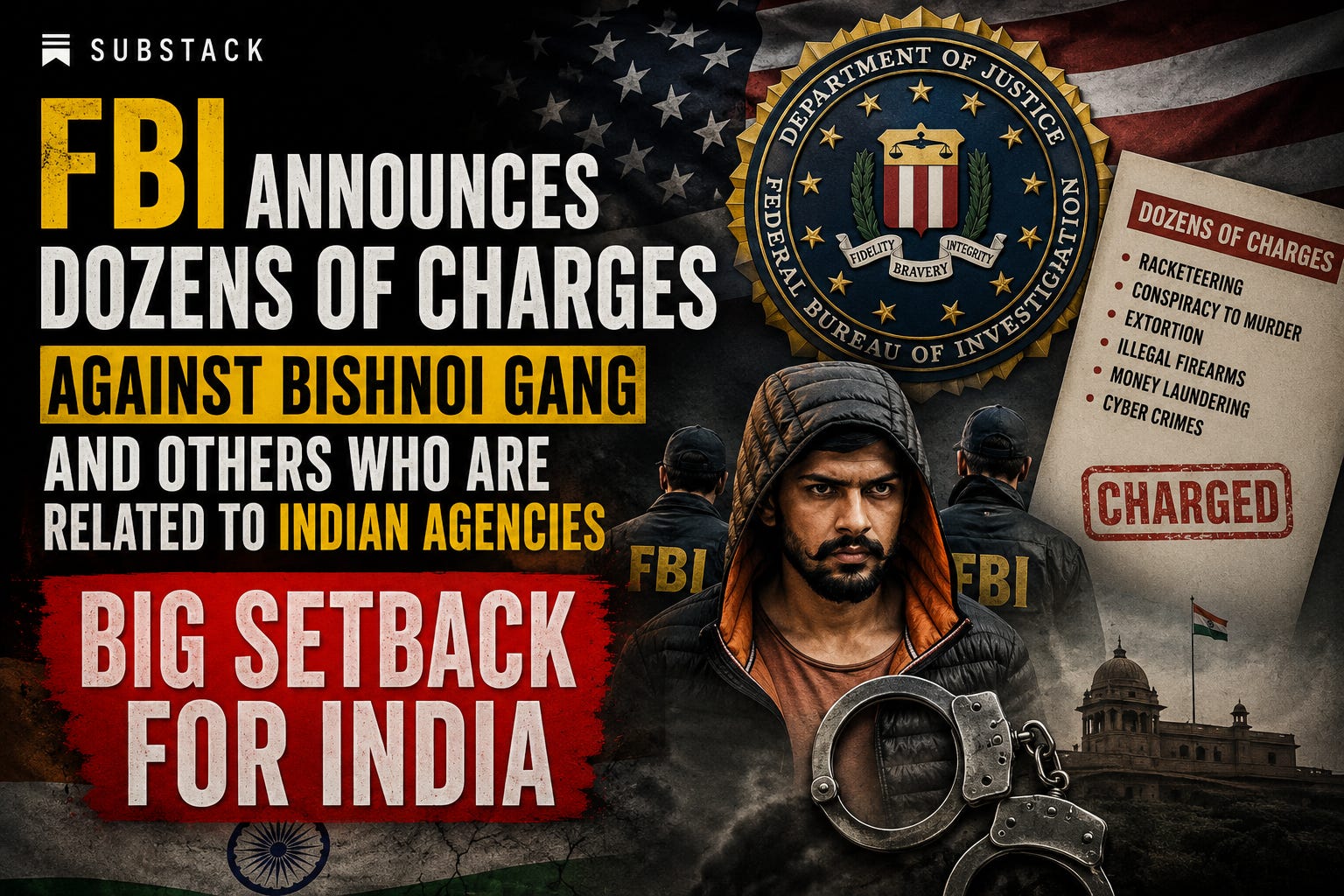
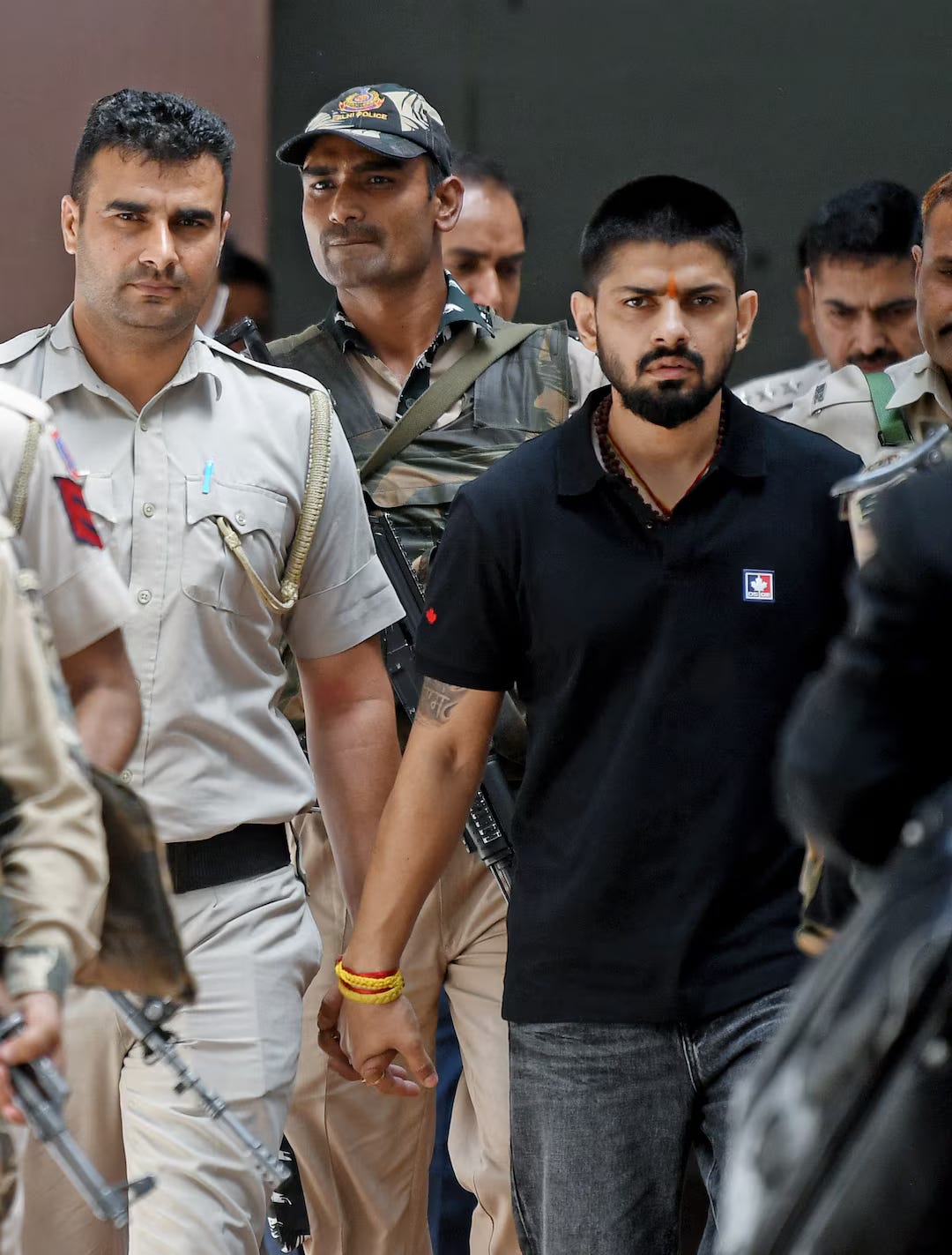
At the center of these claims are names associated with India’s organized crime ecosystem, including Lawrence Bishnoi and Jaggu Bhagwanpuria. Both figures, despite being incarcerated, have long been accused of operating extensive networks that stretch beyond prison walls. The suggestion that such networks could intersect with activities abroad particularly those involving violence, intimidation, or trafficking demands urgent scrutiny.
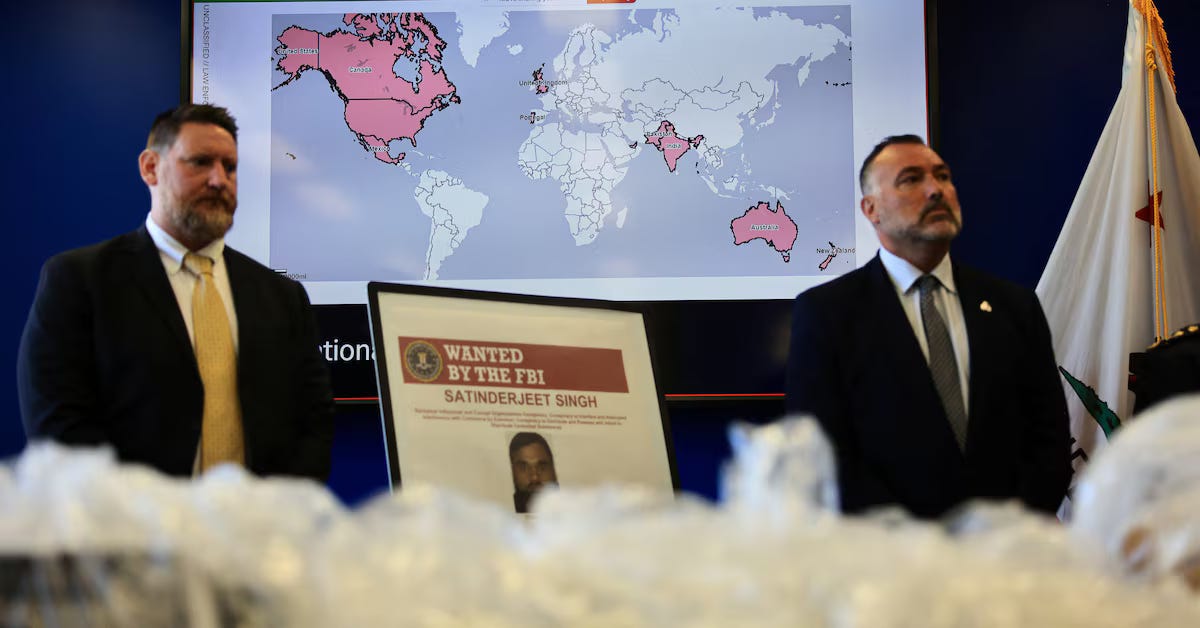
Image vs Reality
For years, India has projected itself as a rising global power: a stable democracy, a strategic partner to the West, and a country capable of maintaining internal and external security. Prime Minister Narendra Modi’s leadership has been central to this narrative, often framed as decisive, globally respected, and domestically dominant.
However, allegations of this nature especially involving targeting of minorities like Sikhs beyond India’s borders risk undermining that carefully constructed image.
They raise concerns about whether Indian agencies have control over criminal syndicates.
They invite uncomfortable questions about whether political narratives are masking deeper internal fractures.
They risk reinforcing criticisms already voiced by international human rights groups regarding minority treatment.
In international diplomacy, perception is power. If India is seen as unable or unwilling to prevent such activities, it weakens its moral and strategic standing.
The Diaspora Dimension
The Sikh diaspora, particularly in countries like the United States, Canada, the United Kingdom, and Australia, plays a significant role in shaping global opinion about India. Allegations of threats or violence targeting Sikh leaders abroad could have far-reaching consequences:
Increased mistrust between diaspora communities and Indian institutions.
Greater scrutiny by Western governments into India-linked networks.
Potential diplomatic tensions, especially if sovereignty concerns arise.
Recent years have already seen friction between India and countries like Canada over similar allegations. A pattern real or perceived could escalate these tensions further.

A Narrative Under Strain
India’s global messaging has emphasized strength, unity, and control. Yet incidents like these, if proven, expose contradictions:
A “strong state” is expected to contain criminal networks, not see them operate internationally.
A “popular leadership” is expected to unify, not deepen perceptions of alienation among minorities.
A “rising superpower” is expected to inspire confidence, not trigger investigations abroad.
This is not merely a public relations challenge it is a structural one. Narratives cannot indefinitely outpace reality.
What Comes Next
The most important factor now is transparency. If these allegations are credible, India faces a choice:
Cooperate fully with international investigations and hold individuals accountable, regardless of connections.
Or dismiss concerns, risking deeper reputational damage and diplomatic fallout.
For a country seeking a larger role on the global stage, credibility is currency. And once eroded, it is difficult to rebuild.
An honest reckoning rather than defensive denial may ultimately determine whether India’s global ambitions remain intact or begin to unravel under the weight of contradiction.