
Diljit Dosanjh’s public gesture of touching Amitabh Bachchan’s feet on the widely televised KBC show broadcasted on October 31, the eve of the Sikh genocide anniversary has sparked intense outrage and heartbreak within the Sikh community.

Many feel this act amounts to giving a symbolic “clean chit” to Mr. Bachchan, a figure still accused of inciting anti-Sikh violence through his televised remarks during the traumatic events of 1984. The timing of the broadcast has further fueled suspicion and dismay, coinciding closely with days remembered for orchestrated violence against Sikhs across India.
Symbolism and Accountability
For Sikhs worldwide, Diljit’s act isn’t seen as mere respect for an elder celebrity it’s interpreted as absolving Bachchan of his alleged role in inciting mobs after Indira Gandhi’s assassination. Survivor testimonies, including those of Jagdish Kaur a key witness to the carnage continue to reference Bachchan’s infamous “khoon ka badla khoon” slogan aired on national television, believed by many to be a catalyst for the targeted killings and widespread brutality that followed.
The choice to air this episode at such a charged time has led many to question whether popular media is sensitive to historical trauma. It has been seen as erasing painful memories, instead of honoring them.
Political Involvement and Impunity
The 1984 Sikh genocide was not just an explosion of mob violence it was notably fueled by political figures, many from the Congress party. Names like Lalit Maken, Jagdish Tytler, and Sajjan Kumar became notorious for their roles in leading or facilitating attacks. In a bitter twist for survivors and their families, several leaders were publicly rewarded in the aftermath, given Congress election tickets as apparent “appreciation” for their actions, rather than facing swift justice.
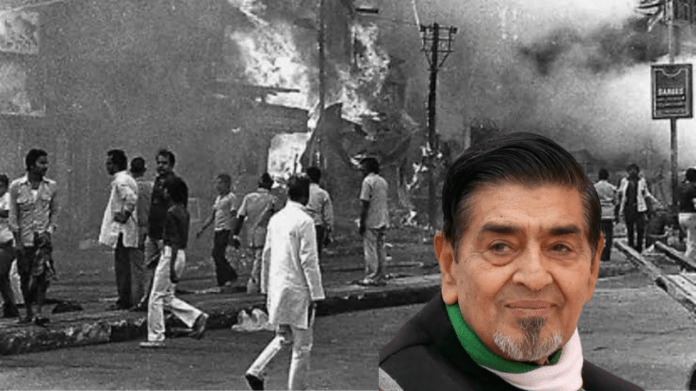
Although years of struggle by activists and witnesses led to convictions for a few, most accused enjoyed political protection and impunity for decades. Sajjan Kumar, for
instance, was eventually convicted, while others remained shielded for political reasons, highlighting the troubling legacy of state-sponsored violence and lack of accountability.
The Lasting Pain of 1984
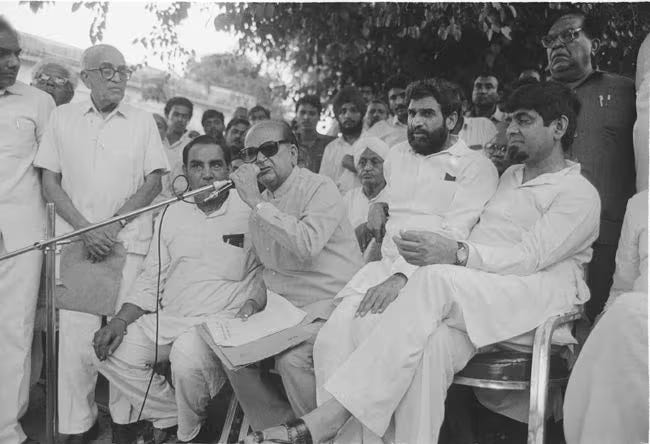
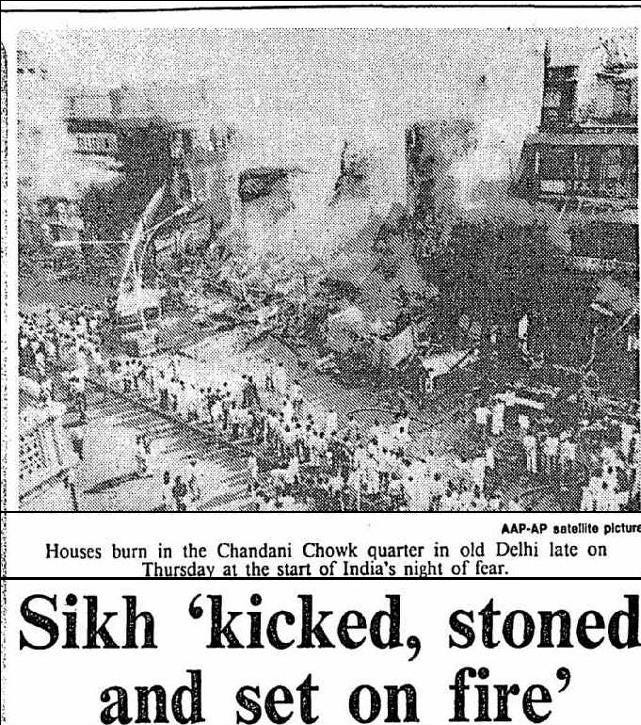
The pogroms of November 1984 targeted Sikh homes, businesses, and religious sites in Delhi and beyond. Over three days, mobs killed thousands, raped women, and destroyed families often with police and politicians abetting the violence. For the Sikh community, memories of these atrocities are compounded by the state’s failure to deliver justice to victims.
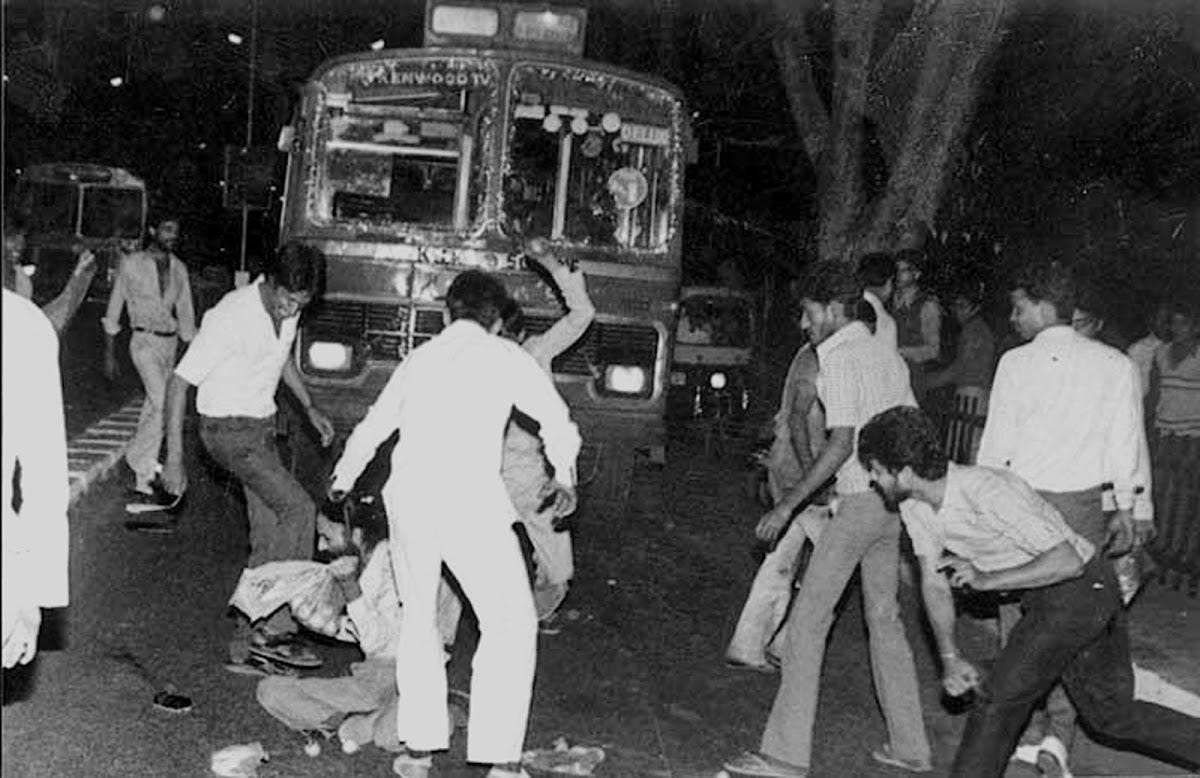
During the November 1984 Sikh genocide, violent attacks against Sikhs were reported in multiple cities across India, with the epicenter in Delhi. Other major cities and regions where Sikhs were targeted include:
Kanpur: Brutal killings and violence against Sikhs.
Bokaro: Widespread mob attacks resulting in many deaths.
Amritsar: Home to many Sikh families who faced threats and loss.
Haryana towns: Areas like Faridabad and Gurgaon saw targeted violence.
West Bengal and Uttar Pradesh: Several towns in these states also witnessed attacks.
Among the political figures accused of actively inciting or orchestrating violence against Sikhs were:
Jagdish Tytler: Congress leader accused of leading mobs in Delhi.
Sajjan Kumar: Congress MP, later convicted for his role in the killings.
Lalit Maken: Congress politician, accused of participating in attacks.
HKL Bhagat: Another senior Congress leader, repeatedly named in victim testimonies.
Arjun Dass and Dharamdas Shastri: Accused of leading mobs in East and Central Delhi.
Despite the overwhelming evidence and survivor testimonies, justice has been slow, with only a few convictions and many accused enjoying political patronage for decades. The suffering of Sikhs was not confined to Delhi but spread to cities and towns throughout India, making November 1984 a nationwide tragedy.
Thus, the perceived normalization of Mr. Bachchan in public culture, combined with the honoring of implicated politicians, remains an open wound. Gestures like Diljit Dosanjh’s, especially on significant dates, amplify feelings of betrayal and injustice.
Editorial Reflection
Diljit Dosanjh’s gesture and the timing of the KBC show reveal how popular culture can sometimes inadvertently contribute to historical amnesia, giving comfort to figures still associated with pain. For the Sikh community, accountability whether through justice for political leaders or public acknowledgment of complicity is not just about revisiting the past, but about honoring the truth and dignity of survivors. Until these wounds are fully recognized, gestures seen as “clean chits” will provoke outrage, reminding us all that real healing follows real accountability.